
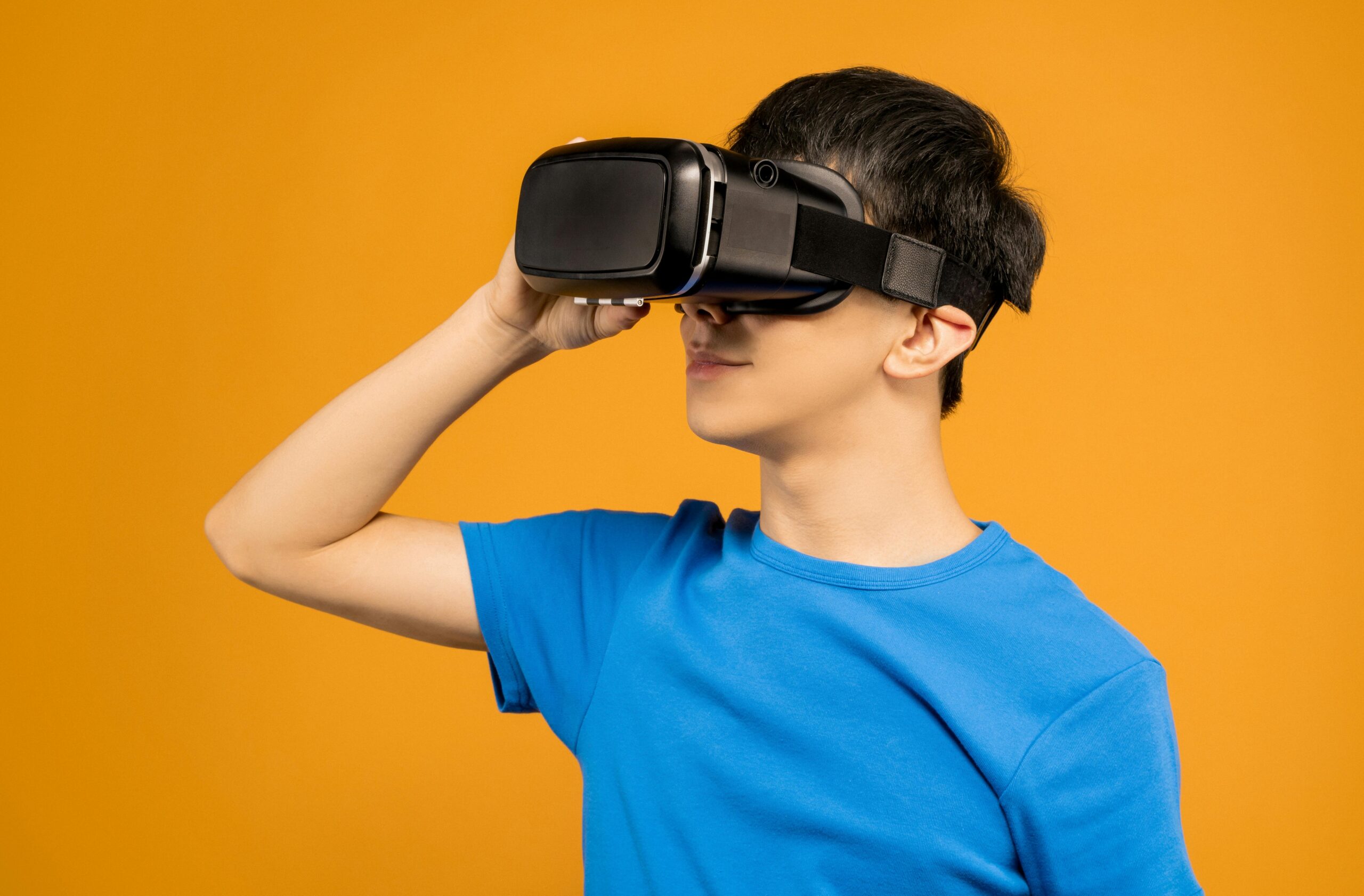

XR Experiences in 2026: From Immersive Commerce to Workforce Training
Understanding XR in 2026
What Is Extended Reality (XR)?
Extended Reality refers to a spectrum of immersive technologies that blend the physical and digital worlds:
Augmented Reality (AR): Digital overlays on the real world (e.g., smart glasses, mobile AR apps)
Virtual Reality (VR): Fully immersive, computer-generated environments
Mixed Reality (MR): Interactive blending of physical and digital objects in real time
In 2026, the lines between these categories are increasingly blurred, with devices and platforms supporting multiple XR modes within a single ecosystem.
Key Technology Enablers in 2026
Several technological shifts have accelerated XR adoption:
Lighter, more powerful headsets with all-day comfort
AI-driven spatial understanding and object recognition
5G and early 6G connectivity for low-latency experiences
Cloud and edge computing enabling scalable XR content delivery
Interoperable XR platforms reducing ecosystem fragmentation
Together, these enablers have transformed XR from novelty to necessity.
Immersive Commerce: Redefining Customer Engagement
The Rise of Spatial Shopping
Immersive commerce has emerged as one of the most visible XR success stories. In 2026, consumers expect interactive, personalized, and spatial shopping experiences that bridge online and offline retail.
Examples include:
Virtual showrooms where customers explore products at life-size scale
AR try-ons for fashion, eyewear, cosmetics, and accessories
MR-enhanced physical stores with digital product layers
These experiences reduce uncertainty, increase confidence, and shorten purchasing cycles.
Benefits of XR in Commerce
Retailers adopting XR report tangible gains:
Higher conversion rates
Lower product return rates
Increased average order value
Stronger brand engagement
XR allows customers to experience products before buying, rather than relying solely on images or descriptions.
Immersive Commerce Use Cases
Automotive: Virtual test drives and vehicle customization
Real Estate: Walkthroughs of properties before construction
Luxury Retail: Personalized, invitation-only virtual boutiques
B2B Sales: Interactive product demos for complex equipment
In 2026, immersive commerce is no longer a marketing experiment—it is a competitive differentiator.
XR in Workforce Training and Development
Why XR Training Matters
Traditional training methods often struggle with scalability, safety, and retention. XR-based training addresses these gaps by enabling experiential learning in controlled environments.
Key advantages include:
Risk-free simulations for hazardous tasks
Consistent training across global teams
Faster skill acquisition and retention
Real-time performance analytics
High-Impact Training Scenarios
XR training is particularly effective in:
Manufacturing and industrial operations
Healthcare and medical procedures
Aviation and transportation
Energy, utilities, and construction
For example, technicians can practice equipment repairs in VR before working on real machinery, reducing downtime and errors.
Data-Driven Learning Outcomes
By 2026, XR training platforms integrate AI to:
Track learner behavior and decision-making
Adapt scenarios based on skill level
Provide personalized feedback
Measure ROI through performance improvement
This transforms training from a cost center into a measurable value driver.
Enterprise XR: Beyond Training and Commerce
XR for Collaboration and Remote Work
The rise of distributed workforces has fueled demand for immersive collaboration tools. XR-enabled workspaces allow teams to:
Meet in shared virtual environments
Manipulate 3D models together
Conduct design reviews and simulations
Unlike traditional video conferencing, XR collaboration restores spatial presence and non-verbal communication.
Digital Twins and Operational Intelligence
Digital twins—virtual replicas of physical assets—are a major XR use case in 2026. Organizations use them to:
Monitor equipment performance
Simulate operational changes
Predict maintenance needs
Optimize workflows
When combined with MR interfaces, digital twins enable real-time decision-making directly on the shop floor.
XR in Education and Skill-Based Learning
Transforming Classrooms and Universities
Educational institutions increasingly rely on XR to deliver immersive, hands-on learning experiences. Students can:
Explore historical events in VR
Conduct virtual science experiments
Practice technical skills in simulated labs
This approach improves engagement and accessibility, especially for remote learners.
Lifelong Learning and Reskilling
As automation reshapes job roles, XR plays a key role in reskilling and upskilling initiatives. Bite-sized, immersive modules allow workers to learn new skills without lengthy downtime.
Challenges and Limitations of XR Adoption
Technical and Infrastructure Barriers
Despite progress, XR still faces challenges:
Hardware costs for large-scale deployment
Battery life and device comfort
Data privacy and security concerns
Content Creation and Standardization
Creating high-quality XR content remains resource-intensive. In 2026, organizations increasingly rely on:
No-code and low-code XR platforms
AI-assisted content generation
Industry standards for interoperability
Addressing these challenges is critical for sustainable XR growth.
Ethics, Privacy, and Human-Centered Design
As XR becomes more pervasive, ethical considerations gain importance:
Responsible data collection and usage
Avoiding cognitive overload and fatigue
Ensuring accessibility and inclusivity
Human-centered design principles guide successful XR experiences, ensuring technology enhances rather than overwhelms users.
The Future of XR Beyond 2026
Convergence with AI and Spatial Computing
XR’s future lies in deeper integration with AI, enabling:
Intelligent virtual assistants
Context-aware environments
Predictive and adaptive experiences
From Devices to Ecosystems
By the late 2020s, XR will shift from standalone devices to ambient, always-available experiences embedded in daily life.
Conclusion: XR as a Strategic Imperative
In 2026, XR experiences have matured into powerful tools for commerce, training, collaboration, and education. Organizations that strategically adopt XR gain not only operational efficiencies but also deeper human engagement.
From immersive shopping journeys to realistic workforce training simulations, XR is redefining how people learn, work, and interact with brands. As technology continues to evolve, the real differentiator will be thoughtful implementation—aligning XR capabilities with genuine human needs and business goals.
SEO-Friendly Tags
XR Experiences 2026
Extended Reality Trends
Immersive Commerce
XR Workforce Training
AR VR MR in Business
Enterprise XR Solutions
Spatial Computing
Future of Work Technology

Leave a Reply